
Are we micro-dosing hostility and calling it tough love?
A hard world does not require a hard home.

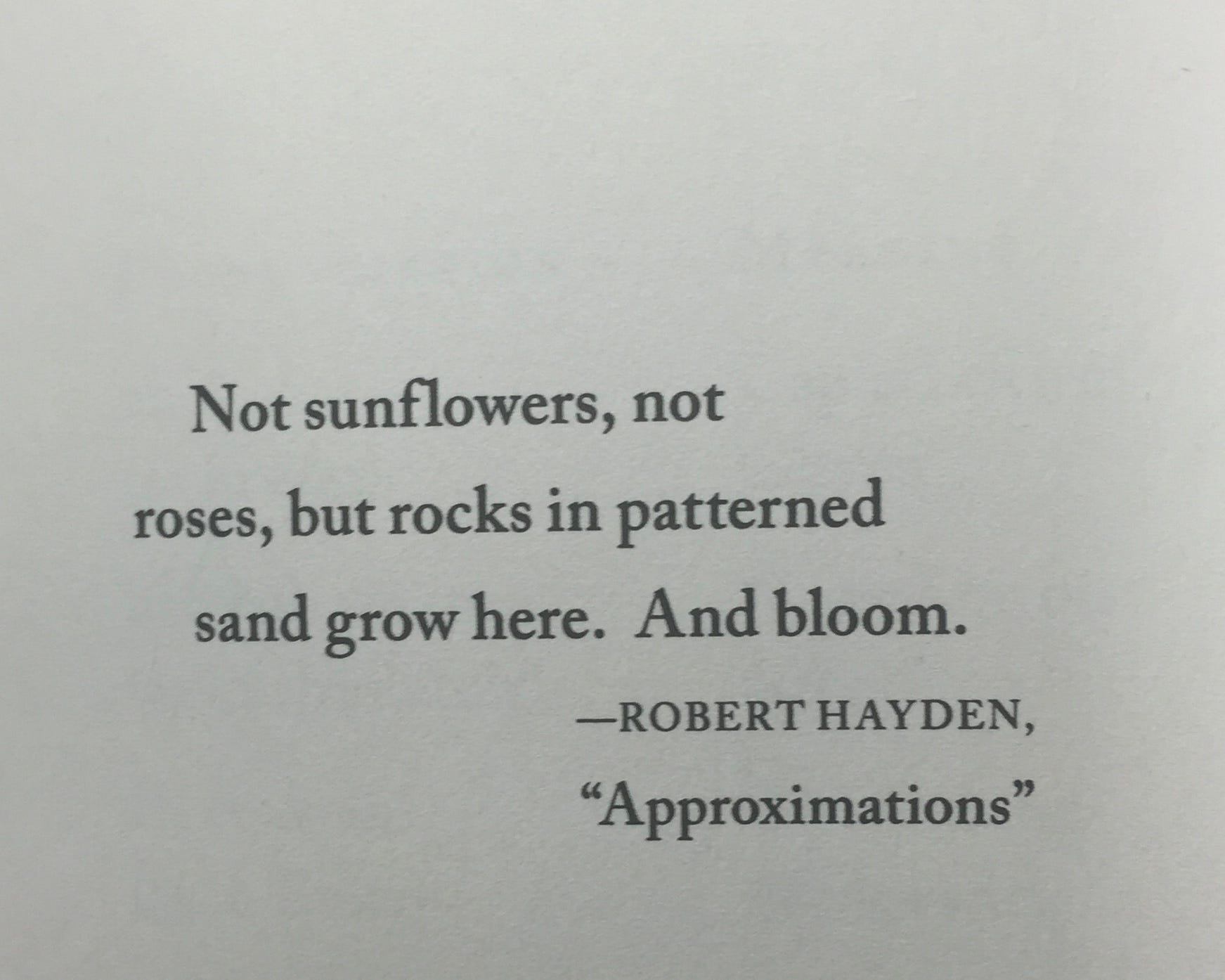
I was on the train back from Philly sitting next to this wonderful older Black woman with a vintage LV bag and a fat diamond ring on her finger. She felt like the real-life Clair Huxtable with that air of elegance and intelligence. One thing leads to another and we get to talking about her son who is getting ready for college. I tell her that I try my best to provide emotional support to my two college-aged nephews because African parents can be a bit tough. She shakes her head, “Well, the world is tough and we need to make sure they’re prepared for it.”
Micro-dosing hostility
This is a sentiment I’ve heard before amongst parents, especially those raising Black children across the diaspora. And it makes me emotional to think about how Black children are ‘prepared’ for the hostility of the world by being micro-dosed with hostility at home. This observation doesn’t come from a place of judgement. I will not pretend to understand the complexities of raising children. But, I do know what it’s like to be the child of “tough love.” And it begs me to ask: if the world is hard and home is hard, where do Black kids get to land?
This dynamic of micro-dosing hostility transcends the parent-child relationship and exists across class and genders. One of my favorite Black femininity channels (hey, we all have our guilty pleasure) was discussing Meg thee Stallion’s recent public breakup, which had gone viral because she exposed Klay Thompson for allegedly cheating on her. In the video, the commentator shares a meme going around on the internet that depicts Meg bent over on a couch with the famous men she’s been connected to lined up behind her to “take their turn” sexually. Klay Thompson is at the back of the line with flowers. The connotation is that Meg was loose and possibly even deserved to be cheated on because of her past.
While showing this meme, the commentator said that she had gotten a comment from a viewer saying that she wished the YouTuber didn’t show the meme in a previous video because it’s harmful to Meg’s image. But the YouTuber doubled down saying, “This image is all over the Internet and if the image of them running a train on Meg embarrasses you, it should.” In that moment, something turned for me. The imagery paired with her commentary brought up feelings associated with sexual trauma, and I couldn’t stop thinking about how a survivor in the audience might feel watching it.
Feeling protective, I went to the comments:
With regards to sharing the meme, I feel like you missed the mark on your take and lacked compassion. Quick story: They used to share lynching postcards in the United States of America. I remember in college I wanted to do a project about this and present the images paired w/ violent rap lyrics to showcase how black bodies are constantly sites of violence. Anyways, I remember my art teacher saying: be mindful of re-victimizing communities. That has always stuck out to me. I scrapped the project.
I say that to say, we have all seen the meme. Some of us have survived seggs trauma and this triggers that. I tried to finish the video but keeping that meme/image up for so long actually made my stomach sick. Not because of embarrassment of the black woman’s image…. But sadness. I come here for a safe space to talk about these issues and the second half of this video felt more like scolding of Black women (for a meme that we didn’t create) than discourse for us.
I get that you are a proponent of tough love (I’ve been watching you for almost 10 years now) but at a moment where the world is already being tough with us…darkskin black girls deserve soft love too.
(Yes, I brought it back to slavery because it IS that deep).
I held my breath as I published, the internet is not really known to handle nuance, but I needed to get it off my chest. And to be fair, the response was mixed— got a few likes and some folks thanked me, “Lady you have said what needed to be said. Thank you for increasing my awareness ❤️❤️”
But, what stuck out to me was people who were upset that I was advocating for compassion.
It’s not [the youtuber’s] responsibility to manage your triggers, though. It’s yours….The notion that we should never encounter discomfort and we should always be affirmed by strangers is one of the many things wrong with our society.
With respect, this channel hasn’t really ever been about compassion…[the youtuber] is “tough” because the reality is tough, and the world will not stop to consider our traumas. Only a therapist can.
The “tough love” myth
These comments saddened me because even in corners of the internet that claims to be a community for Black women (who are often the most neglected and least protected in our society), my advocacy for being delicate while dealing with this group was met with aggression (presumedly by other Black women.) The crux of their argument goes something like this: life ain’t sweet, so don’t expect sweetness. Furthermore, if you express your desire for tenderness, you’re a burden and should only expect compassion from a licensed medical professional.
When we pull out, it seems like this is part of a larger dynamic directly connected to the conversation I was having with the mom on the train who felt like “tough love” was the best way to prepare young boys for the harshness of the world. But what if hardening our love builds endurance instead of resilience? Because if many of us were honest, we would admit that it’s this very same “tough love” that our parents and caregivers gave us that we resent about our upbringing. It’s this “toughness” that many of us paying thousands of dollars to unlearn in therapy. Despite this, when it’s time to raise the next generation or organize within our community, we reach for these same tools. Not because it’s the most optimal, but because it’s familiar.
‘Tough love’ is a strategy developed by an oppressed people trying to regain some control. We know we can’t stop discrimination, but ‘tough love’ makes us feel like we can at least fortify ourselves against it. But what happens when we only attend to the symptoms and not the wound?
Hardening our love builds endurance instead of resilience.
“Sometimes I’m afraid he’s not prepared for the harsh world,” the woman’s eyes were filled with emotion. I could feel how much she loved her son and wanted to protect him. I sighed, “There are likely so many racial moments in your son’s life that he has not told you about.”
She sat with that for a moment.
“And there are so many stories I haven’t told him.”
In that conversation her son stopped just being her son, but she could see herself too. Every Black person in this world is trying their best to navigate the complexities of an unjust world we didn’t create. Does it not make sense that the most vulnerable of us are in need of tenderness? What does it look like to prepare Black kids for a hard life by giving them a soft home?
Racism was here before we got here and will be here after we leave.
None of us can “solve” racism. You can’t strategize your way out of discrimination. A soft home paired with a hard life gives hope. Compassionate community builds resilience. These connections act as a salve during hostile times. A reminder during adversity that safe spaces can be created and nurtured for us too.
–
A few takeaways to flow with:
🌊Don’t be a hard rock when you really are a gem. Being compassionate is not naive, it’s resistance in an aggressive world. Moving with compassion is an acknowledgement of our shared humanity. A recognition that each of us are going through things seen and unseen.
🌊Stop micro-dosing hostility. With your kids, with yourself, with your friends, with your partner. I don’t mean don’t have tough conversations, but don’t only have tough conversations. Life will dish out its aggression and I promise we will rise to the occasion. Focus on creating a safe space to retreat and recalibrate after those tough moments.
🌊Stay out them comments. Nothing good happens there. Instead get into the booth and rant on Substack.
Thanks for reading. I post weekly about healing, growing and flowing through life. Want to chat? Follow me on Instagram. Like my aesthetic? Follow me on Pinterest.